
Serviced apartments have become a practical accommodation option for travellers who want more flexibility than a traditional hotel can provide. They can suit short visits, extended stays, business trips and leisure breaks, particularly when having extra living space and useful household facilities makes the stay more convenient. For visitors comparing serviced apartments Cape Town options, the combination of location, comfort and everyday functionality can be an important consideration.
Unlike a standard hotel room, a serviced apartment is generally designed to provide a more residential-style environment. Depending on the property, guests may have a separate bedroom, living area, kitchen or kitchenette, dining space and additional storage. These features can make it easier to settle into a temporary home without giving up the services associated with professional accommodation.
The practical benefits can be especially noticeable when a stay lasts more than a few nights. A business traveller may need a quiet place to work, while a leisure traveller may appreciate having somewhere comfortable to relax after exploring the city. Understanding how these accommodation features work can help travellers choose an option that fits the purpose and length of their trip.
More Space for Different Types of Stays
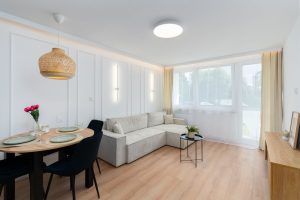
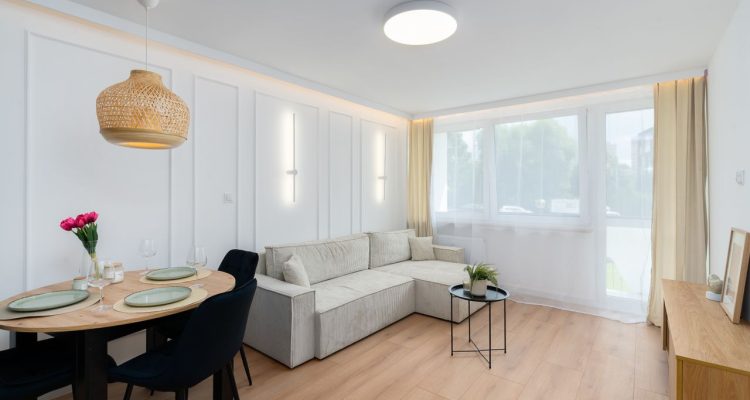
One of the main practical differences between serviced apartments and conventional hotel rooms is the amount of usable space. Instead of having everything centred around one sleeping area, an apartment may provide separate zones for sleeping, relaxing, eating and working.
This arrangement can make a significant difference during longer visits. Travellers do not necessarily have to spend their entire stay in one room. A separate living area can provide somewhere to read, watch television, work on a laptop or enjoy a meal without using the bed as the primary place to sit.
Additional space can also be useful when travelling with family or colleagues. Having more than one room or defined living area can provide greater privacy and make it easier for everyone to maintain their own routines.
For leisure travellers, this residential layout can make an accommodation feel less restrictive. After a full day of sightseeing, dining or attending activities, having a comfortable living area can provide a more relaxed environment than returning to a single-room setup.
Kitchen Facilities Can Simplify Everyday Routines
Kitchen facilities are another feature that can make serviced apartments practical. The exact facilities vary between properties, but some may include a refrigerator, microwave, stove, cooking equipment, crockery and basic utensils.
Having access to a kitchen does not mean guests need to prepare every meal themselves. Instead, it provides an additional choice. A traveller can prepare a simple breakfast, store snacks or leftovers, make a hot drink or prepare a meal when that is more convenient.
This flexibility can be particularly useful for longer stays. Eating every meal at restaurants can become repetitive, while relying entirely on takeaway food may not suit every traveller’s routine. A kitchen gives guests greater control over how they manage meals during their visit.
Business travellers can also benefit from this arrangement. A busy schedule may make it difficult to eat at fixed times, so being able to prepare something simple at the accommodation can make the daily routine easier to manage.
A Comfortable Setting for Business Travel
Business travel often involves more than simply having somewhere to sleep. Travellers may need to answer emails, attend virtual meetings, prepare documents or complete other work outside normal office hours.
A serviced apartment can provide a more adaptable environment for these activities. A dining table, desk or separate living area may offer a suitable place to work, depending on the property’s layout.
The availability of Wi-Fi is also important for business guests. Reliable internet access can support communication, online meetings and general work requirements. Travellers should check the specific facilities offered by a property rather than assuming that every apartment provides the same business amenities.
A residential-style environment may also make longer business trips easier to manage. Instead of treating every evening as another night in a hotel room, guests can maintain familiar routines such as preparing food, relaxing in a separate living area or doing laundry.
Useful for Longer Visits
The advantages of serviced accommodation can become more apparent as the length of a stay increases. A traveller staying for one or two nights may have limited need for additional facilities, but someone staying for a week or longer may place greater value on space and flexibility.
Laundry facilities are one example. Some serviced apartments have washing machines or access to laundry services, which can reduce the need to pack enough clothing for every day of a longer trip.
Storage can also matter. Wardrobes, cupboards and other storage areas allow guests to organise their belongings rather than keeping everything inside a suitcase. This can make an extended stay feel more manageable.
The ability to establish a temporary routine is another advantage. Guests may be able to prepare breakfast, work during the day, exercise, relax and sleep according to their own schedule rather than adapting completely to a hotel-based routine.
Flexibility for Leisure Travellers
Serviced apartments are not limited to corporate accommodation. Leisure travellers can also benefit from the additional independence they provide.
Families may find separate living and sleeping areas useful, particularly when travelling with children. Couples or groups of friends may also appreciate having more space to relax between activities.
The ability to prepare food can be useful for travellers with particular dietary preferences or those who simply want an alternative to eating out for every meal. Even basic facilities can make mornings and evenings more convenient.
Location remains an important part of the overall experience. An apartment close to attractions, restaurants, transport options or business districts can reduce the amount of time spent travelling around the city. However, convenience should be considered alongside factors such as noise, parking, security, access and the specific needs of the traveller.
Privacy Without Giving Up Professional Services
Another practical feature of serviced apartments is the balance between privacy and professional accommodation services. Guests can have a private living space while still benefiting from property management and hospitality services.
The exact level of service differs between properties. Some may provide regular housekeeping, reception assistance, maintenance support and other services, while others may operate with a more limited service model.
This makes it important to check what is included before booking. Cleaning schedules, linen changes, reception hours and maintenance arrangements can vary considerably.
For travellers who value independence, this arrangement can provide a useful middle ground. The accommodation can feel more private and residential while still being managed as a professional property.
Choosing Accommodation Based on the Length of Your Stay
The right type of accommodation often depends on how long the traveller plans to stay and what they expect to do during that time.
For a short business trip, proximity to meetings and reliable internet may be more important than having extensive kitchen facilities. For a longer corporate assignment, however, laundry facilities, workspace and additional living space may become much more valuable.
Leisure travellers may have different priorities. Someone spending most of the day sightseeing might focus on location and transport access, whereas a family planning to spend more time at the accommodation may place greater importance on kitchen facilities and separate living areas.
Rather than choosing accommodation based solely on appearance or price, it can be useful to consider how the property will fit into the entire daily routine.
What to Check Before Booking
Although serviced apartments can provide many practical advantages, not every property offers the same facilities or service level. Reading the accommodation details carefully can help avoid surprises.
Travellers should consider the apartment’s location, available facilities, booking conditions and the services included in the rate. It is also useful to check whether parking is available if a rental vehicle will be used.
Important considerations can include:
- The size and layout of the apartment
- Kitchen and laundry facilities
- Wi-Fi availability and suitability for work
- Housekeeping arrangements
- Parking and transport access
- Check-in and check-out procedures
- Security and building access
- Cancellation and booking conditions
- Nearby shops, restaurants and other useful services
These details can have a greater impact on the experience than decorative features alone. A beautifully presented apartment may still be inconvenient if it is far from the places a traveller needs to visit or lacks facilities that are important for the length of the stay.
A Practical Alternative to Traditional Hotel Accommodation
Serviced apartments can provide a combination of space, independence and professional accommodation services that suits a wide range of travellers. Their residential-style layouts can make longer visits more comfortable, while kitchen, laundry and living facilities can simplify everyday routines.
For business travellers, additional space can create a more practical environment for working and relaxing. For leisure guests, having a separate living area and access to household facilities can provide greater flexibility throughout the trip. These benefits can be particularly relevant when a visit lasts several days or involves a family or group.
Travellers considering serviced apartments Cape Town properties should therefore look beyond the room itself and consider how the accommodation will support their daily needs. Comparing location, facilities, service levels and booking conditions can help identify an option that works well for the specific purpose and duration of the stay.