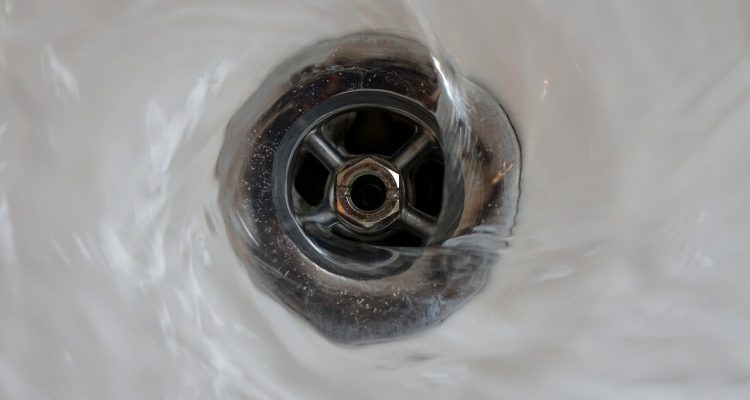

Water drainage problems inside a home rarely start as emergencies. They usually build up slowly, hidden behind walls, under floors, or deep within outdoor pipework. What begins as a minor slowdown in water flow can quickly escalate into costly structural damage, foul odours, and even hygiene risks if left unchecked.
Many homeowners underestimate how interconnected their plumbing and drainage systems really are. A blockage in one section can affect multiple areas of the home, often without obvious warning signs at first. This is why understanding the root causes is essential for prevention rather than reaction.
In some cases, persistent drainage issues require professional intervention, and this is where services like blocked rain plumbing services become relevant, especially when stormwater systems and household drainage lines begin to fail simultaneously.
How Drainage Systems Become Compromised Over Time
Most home drainage systems are designed to handle significant volumes of water, but they are not immune to gradual wear and tear. Over time, small obstructions accumulate and restrict flow.
One of the most common causes is the buildup of everyday waste materials. Grease, soap residue, hair, food particles, and even mineral deposits from hard water can cling to pipe walls. Layer by layer, these materials reduce internal pipe diameter until water struggles to pass through.
External factors also play a major role. Tree roots are particularly invasive and can penetrate underground pipes in search of moisture. Once inside, they expand and trap debris, worsening the blockage.
Other contributing factors include:
- Poor pipe installation or incorrect slope alignment
- Collapsed or cracked underground piping
- Heavy rainfall overwhelming stormwater systems
- Foreign objects accidentally flushed or washed into drains
- Lack of routine maintenance and inspection
Each of these issues can exist independently, but they often overlap, making the problem more complex over time.
Kitchen-Related Blockages and Hidden Build-Up
The kitchen is one of the most common origins of household drainage issues. Unlike other areas, it deals with a combination of fats, oils, food waste, and detergents, all of which behave differently once they enter the plumbing system.
Grease is particularly problematic. When poured down the sink in liquid form, it eventually cools and solidifies inside pipes. This sticky layer traps other debris, gradually forming a stubborn obstruction. Even small amounts of grease over time can lead to significant restrictions.
Food particles also contribute, especially when sink strainers are not used consistently. Coffee grounds, rice, and fibrous vegetable waste tend to clump together inside pipes.
Dishwashing detergents, while designed to break down oils, can still leave behind residues that accumulate over time.
A combination of these factors often leads homeowners to notice slow drainage or gurgling sounds, both of which are early indicators of developing blockages.
Bathroom Drainage Problems and Hygiene Risks
Bathroom drainage systems face a different set of challenges. Hair is the most common culprit, especially in showers and bathtub drains. It binds with soap scum to form dense clumps that restrict water flow.
Toilets also contribute to system strain when non-degradable items are flushed. Even products labelled as “flushable” can cause issues in older or narrower pipe systems.
Humidity and constant moisture in bathrooms also encourage biofilm growth inside pipes. This slimy layer can trap debris and accelerate clog formation.
If these issues are not addressed early, they can lead to unpleasant odours and even bacteria buildup, turning a simple plumbing issue into a hygiene concern.
Outdoor Drainage and Stormwater System Failures
Outdoor drainage systems are often overlooked until a major problem arises. These systems are responsible for directing rainwater away from the home, protecting foundations and preventing flooding.
Leaves, soil, sand, and debris from wind or rainfall frequently accumulate in gutters and downpipes. During heavy storms, this material is pushed deeper into the system, creating sudden and severe blockages.
In some properties, landscaping changes can unintentionally worsen drainage flow. Raised garden beds, compacted soil, or poorly directed runoff can all overload existing systems.
Blocked stormwater drains can cause water to pool around the home’s foundation, increasing the risk of structural damage and dampness inside walls.
Early Warning Signs You Should Never Ignore
Drainage issues rarely appear without warning. The system usually provides subtle signs before a full blockage occurs.
Common indicators include:
- Water draining more slowly than usual
- Unpleasant or persistent odours from sinks or drains
- Gurgling noises after water is used
- Water backing up into sinks, showers, or toilets
- Damp patches near outdoor drains or walls
These symptoms may seem minor at first, but they often signal deeper issues within the system. Addressing them early can prevent expensive repairs later.
Maintenance Practices That Help Prevent Blockages
Preventive care plays a major role in keeping drainage systems functioning efficiently. Simple habits can significantly reduce the risk of buildup and obstruction.
Regular cleaning of sink strainers and shower drains helps prevent debris from entering the system. Pouring grease into containers instead of sinks also reduces kitchen-related blockages.
Outdoor gutters should be cleared regularly, especially during seasons with heavy leaf fall or frequent rainfall. Even a small accumulation of debris can disrupt stormwater flow.
In more complex cases, professional inspections are recommended. Services such as blocked rain plumbing services can help identify hidden issues within both indoor and outdoor drainage networks before they escalate.
Routine maintenance often includes:
- Camera inspections of underground pipes
- High-pressure water jet cleaning
- Leak detection and flow testing
- Assessment of stormwater system efficiency
Why Professional Intervention Becomes Necessary
While many minor drainage issues can be managed with basic cleaning, deeper or recurring blockages often indicate structural or hidden system problems.
Professionals use specialised equipment to locate and remove obstructions that cannot be reached through conventional methods. This is particularly important when blockages are caused by tree root intrusion or collapsed piping.
In some cases, recurring drainage issues may point to design flaws in the original plumbing layout. These situations require a more detailed assessment to prevent repeated failures.
It is in these scenarios that blocked rain plumbing services become essential, as they address both surface-level symptoms and underlying system faults that are not visible to the homeowner.
Delaying professional help can increase the risk of water damage, mould growth, and even foundation weakening in severe cases.
Protecting Your Home’s Long-Term Drainage Health
A well-functioning drainage system is one of the most important but least visible components of a home. When it operates correctly, it prevents water damage, maintains hygiene, and protects structural integrity.
However, once blockages begin to form, the system can deteriorate quickly. What starts as a slow drain or minor odour can escalate into widespread plumbing failure if ignored.
Consistent maintenance, early detection, and timely professional support all work together to preserve system health. Understanding how blockages form empowers homeowners to take proactive steps rather than reactive measures.
With the right care and attention, most drainage issues can be prevented long before they become disruptive or costly.